How Can an Industrial Leafy Green Washing Technology Reduce Labor in a Medium-Scale Plant?

A salad factory, a fresh-cut supplier, or a medium vegetable plant that washes leafy greens by hand spends hours on a step a machine can finish steadily. The industrial leafy green washing technology for a medium plant uses vortex and bubble stages to clean the leaves without tearing them, and that change cuts the labor. This article explains how the technology lowers the food production labor cost.
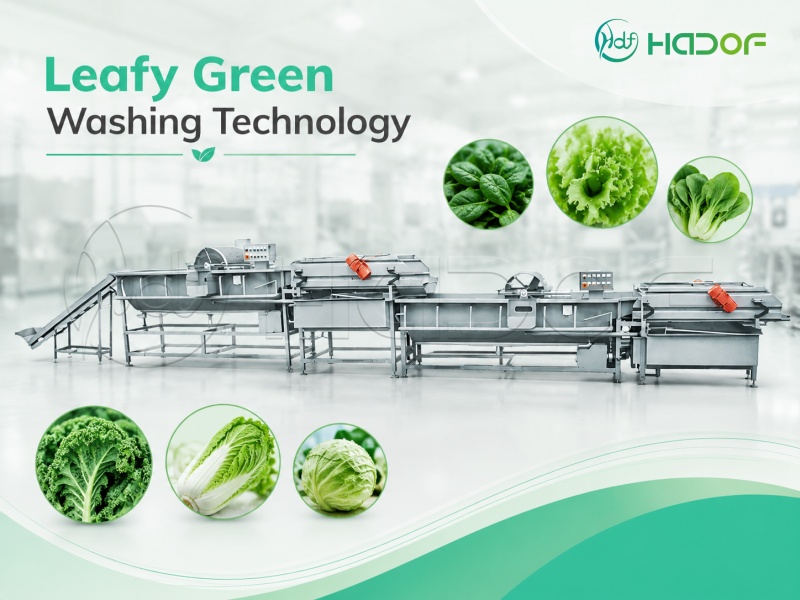
industrial leafy green washing technology

How Does the Washing Technology Replace Manual Labor?

Manual washing assigns workers to agitate the leaves and lift them out, and the work is slow and uneven. The leafy green washing process with vortex and bubble stages opens the leaves and removes the sand while the water carries the dirt away. This change removes the repetitive food handling from the line.

How Does the Multi-Stage Line Protect the Leaves?

The line moves the greens from feeding and sorting to cutting, washing, draining, and drying, so no single machine overworks the leaf. The automatic leafy greens washer for salad processing keeps the flow gentle and the yield high. A buyer who maps these stages keeps the food manufacturing result even.

How Does the Washer Connect With Drying?

A washing line works best when the washed leaves move directly to draining and drying, because wet leaves clump and spoil. The line connects with a air dryer for a leafy green line, a drainer, and a packer. A smooth connection keeps the food processing system moving.

How Should a Plant Measure the Labor Saving?

A plant measures the saving by comparing the workers a hand wash needs against the team a washing line needs, and then counts the fewer torn leaves. The line keeps the wash even across a shift. This saving repeats every day, so the food machinery pays back through labor and quality together.

How Should a Buyer Verify the Technology?

Leafy green washing rewards a trial with the plant’s own greens, because delicacy and soil change the flow. You can review the leafy green washing technology manufacturer before a purchase, and that review shows the stages and service. A measured run turns the food machinery decision into a dependable labor return.

How Does Water Circulation Reduce Waste?

The circulating water tank reuses the wash water with a periodic replacement, so the plant spends less water and energy than a once-through rinse. This circulation also keeps the pressure steady for the vortex or the bubble flow. A plant that manages the water change on schedule lowers the food manufacturing waste and the operating cost. This saving is the quality and cost control that the washing technology delivers together.

Conclusion

An industrial leafy green washing technology reduces labor by replacing hand washing with vortex and bubble stages, then connecting the wash to drying. These choices keep the food production line efficient and the team lean. A stable wash therefore keeps the leaves whole and the yield high. A matched dryer also keeps the leaves crisp into the pack. If you have interests, you can learn more about https://www.hadofps.com/tech/leafy-green-washing-technology/
How Does a Chicken Nuggets Production Line Reduce Labor Costs in Commercial Production?

A poultry company, a frozen food manufacturer, or a QSR supply factory that makes chicken nuggets by hand usually finds that labor grows with every forming and coating step. The chicken nuggets production line for commercial production joins grinding, forming, coating, frying, and freezing, and each machine removes a manual task. This article explains how the line lowers the food production labor cost.

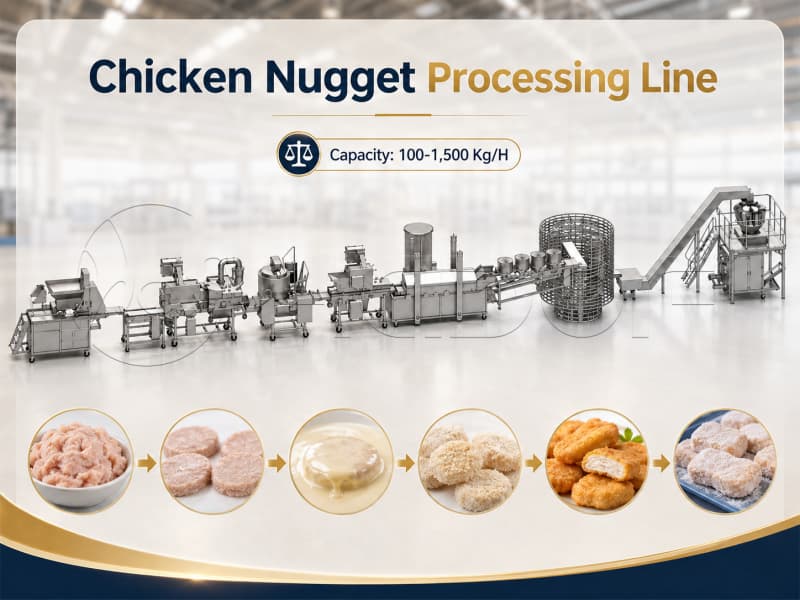
chicken nuggets production line

How Does the Line Automate the Process?

The line follows grinding and mixing, forming, battering and breading, continuous frying, and freezing and packaging, and each stage replaces a hand step. The automatic chicken nugget line with forming and coating moves the product on conveyors, so one team supervises a flow that once needed several hands. This change removes the carrying and the hand-coating from the food handling step.

How Does Forming and Coating Cut Labor?

The forming machine shapes the nuggets, and the coating system applies the flour, the batter, and the breading automatically. The industrial chicken nugget processing system with frying keeps the shape and the coat even, which lowers the rejects. This automation turns the food preparation into a continuous, low-touch process.

How Does the Line Connect With Freezing?

A nugget line works best when the fried product moves directly to freezing and packing, because a manual handoff distorts the coating. The line connects with a quick freezer for a chicken nugget line and an automatic packer. A smooth connection keeps the food processing system efficient and the team small.

How Should a Plant Measure the Labor Saving?

A plant measures the saving by comparing the workers a hand line needs against the team a continuous line needs, and then counts the fewer rejected nuggets. The line keeps the product even across a shift. This saving repeats every day, so the food machinery pays back through labor and quality together.

How Should a Buyer Verify the Line?

Chicken nugget production rewards a supplier that offers forming, coating, and frying support, because the line must fit the workshop. You can review the chicken nugget production line manufacturer before a purchase, and that review shows the systems and spare parts. A measured plan turns the food machinery decision into a clear labor return.

How Does Continuous Frying Replace Batch Work?

The continuous fryer moves the nuggets through the oil on a belt, so no worker loads and unloads baskets, and the oil filtration keeps the oil clean. This change removes the batch timing and the lifting that make frying labor-heavy. A large plant gains a steady food manufacturing flow. This step is the core of the labor saving that the line delivers.

Conclusion

A chicken nuggets production line reduces labor costs by automating grinding, forming, coating, frying, and freezing into one continuous flow. These connections keep the food production line efficient and the team lean. A well planned line therefore stays productive across the full shift. A balanced line also cuts the idle time that a hand-off creates between stages. If you have interests, you can learn more about https://www.friedfoodsolutions.com/chicken-nuggets-processing-line/